Women of Colour Melbourne Platform
Shaping the Product Vision for the Women of Colour Melbourne (WoCM) Platform
Background
Women of Colour Melbourne (WoCM) runs a supportive community and provides safe spaces through its yearly events. These gatherings are vital, as they help people deal with tough challenges like racism and unfair treatment. To bridge the gap between events and provide continuous support, the platform initiative was funded by the Victoria State Government.
As a Product and Experience Design freelancer, I operated as the Design Lead for the Discovery Phase. I worked autonomously using AI, collaborating with stakeholders and community members, to deliver strategic insights and establish the design direction.
Challenge
While WoCM's annual events create a lot of positive energy, keeping everyone connected and supported between these meetings is difficult for the volunteer team. The core challenge was transforming this annual, in-person support into a sustainable, year-round digital experience. The platform needed to address the unique challenges arising from intersectionality, systemic racism, and oppression.
Solution (Strategic Vision)
My core mandate was to engage community members at the Women of Colour Gathering 2025 (WoCG) in shaping the needs and requirements of the digital platform. By leveraging the energy and insight of this event, I established a strategic vision designed to achieve continuous support and drive retention.
The Solution established a strategic framework built around four core service pillars and two structural layers that define the platform’s full architectural scope.
Outcome
The discovery phase culminated in a complete, evidence-based strategic framework ready for prototyping. It provided the necessary research and insight to guide development and achieve business impact, clearly defining the areas of support for both Allyship and Partnership.
Key Deliverables Included:
Keyword search result and a comparative analysis
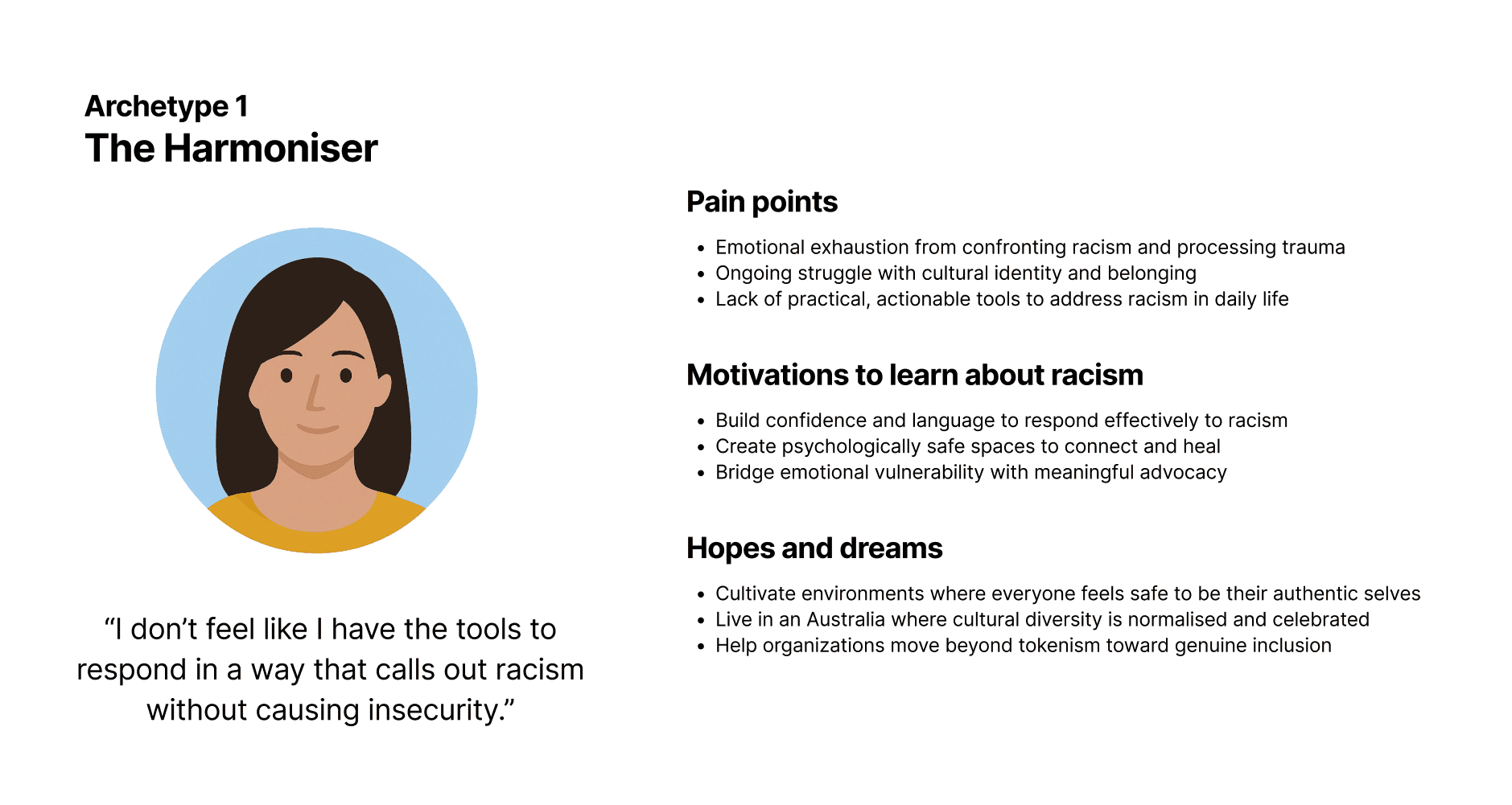
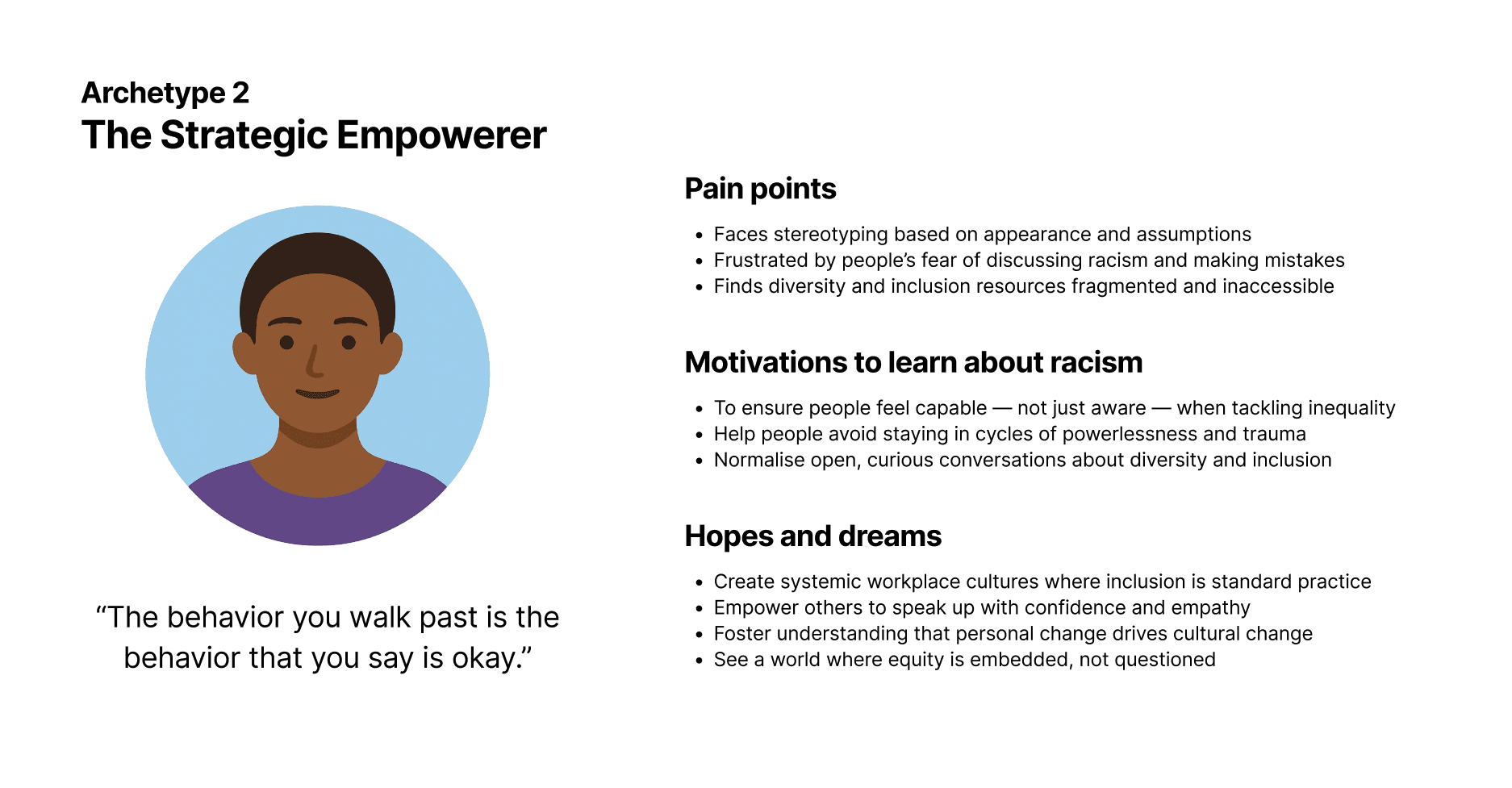
Two validated user Archetypes (The Harmoniser and The Strategic Empowerer).
Six 'How Might We' statements defining the core design challenges.
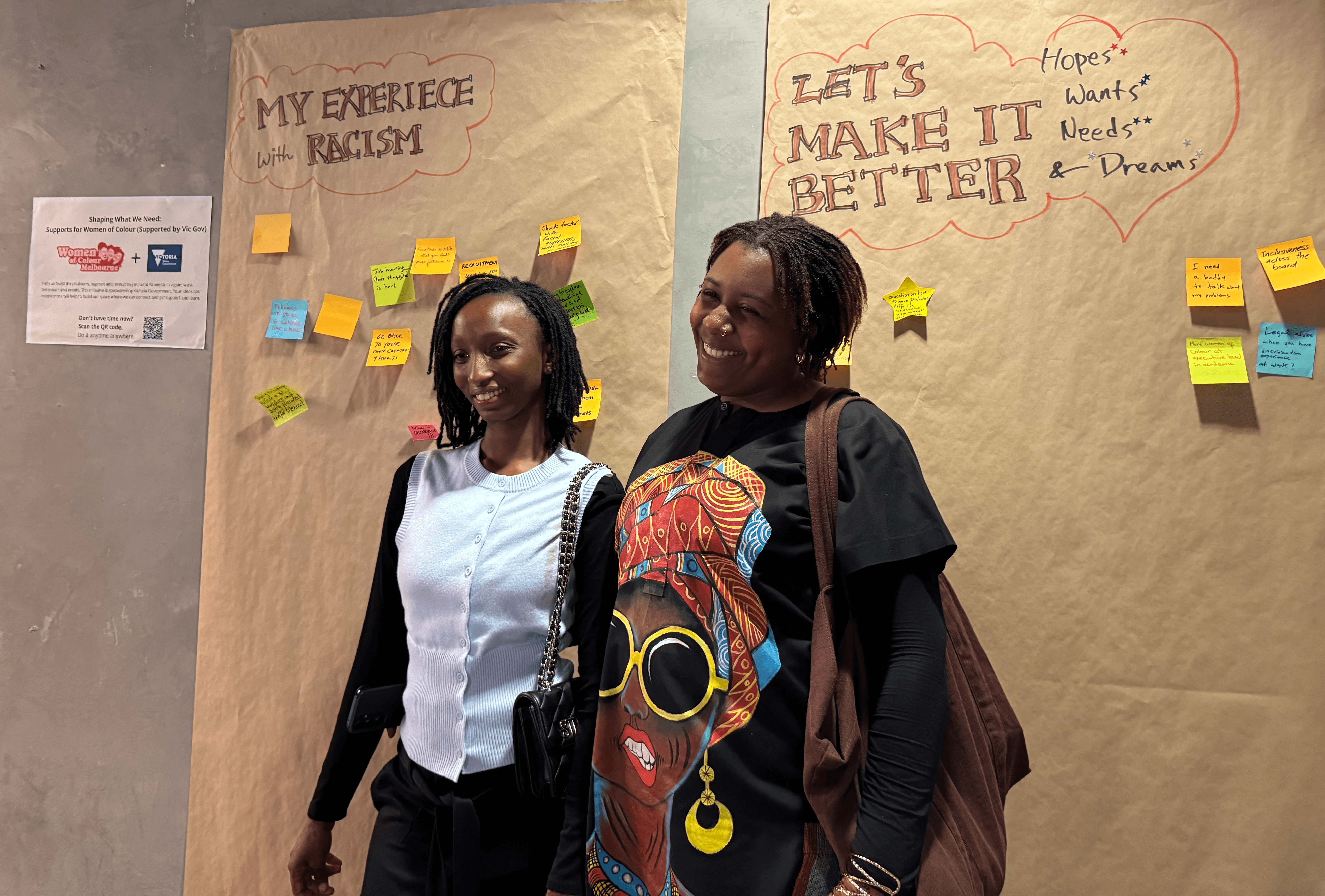
Workshop delivery and Discovery Wall at WoC Gathering
Nine thematic areas of support identified from the co-design workshop, which were consolidated into four Core Service Pillars.
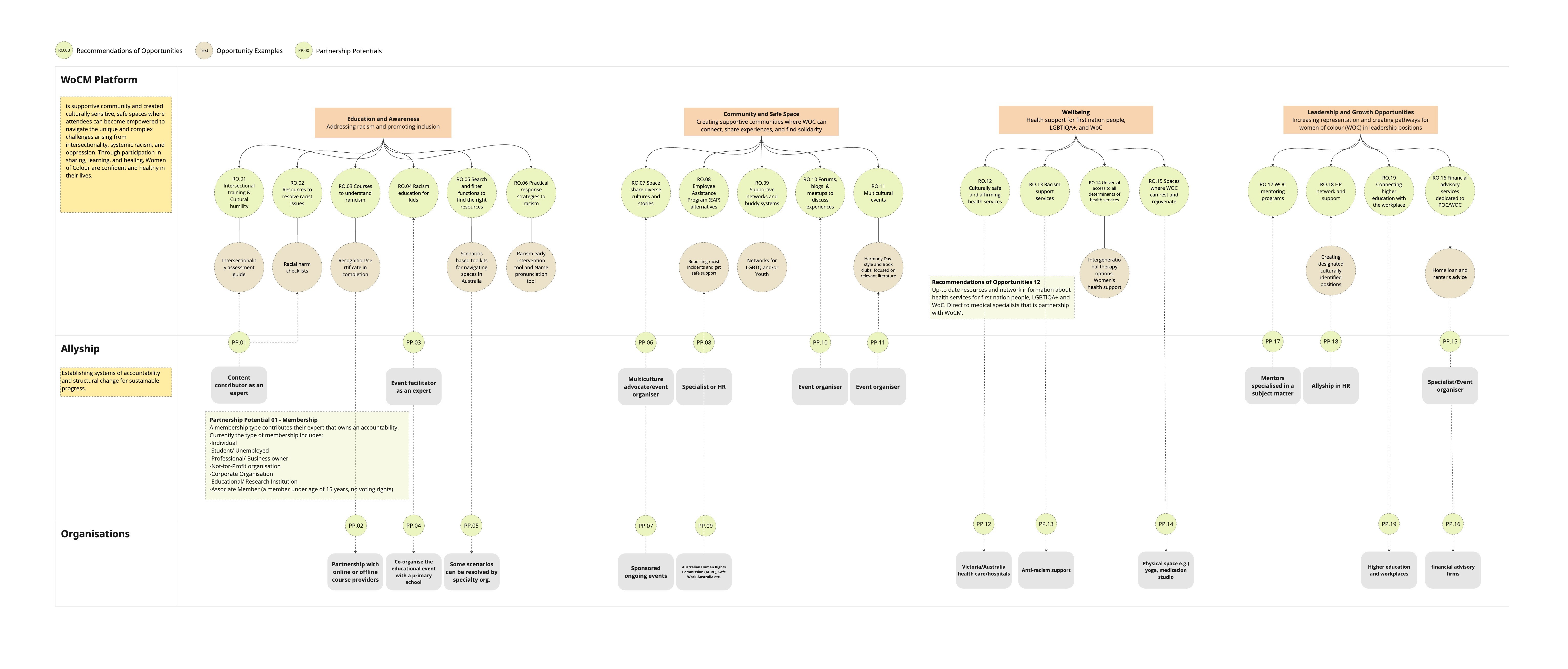
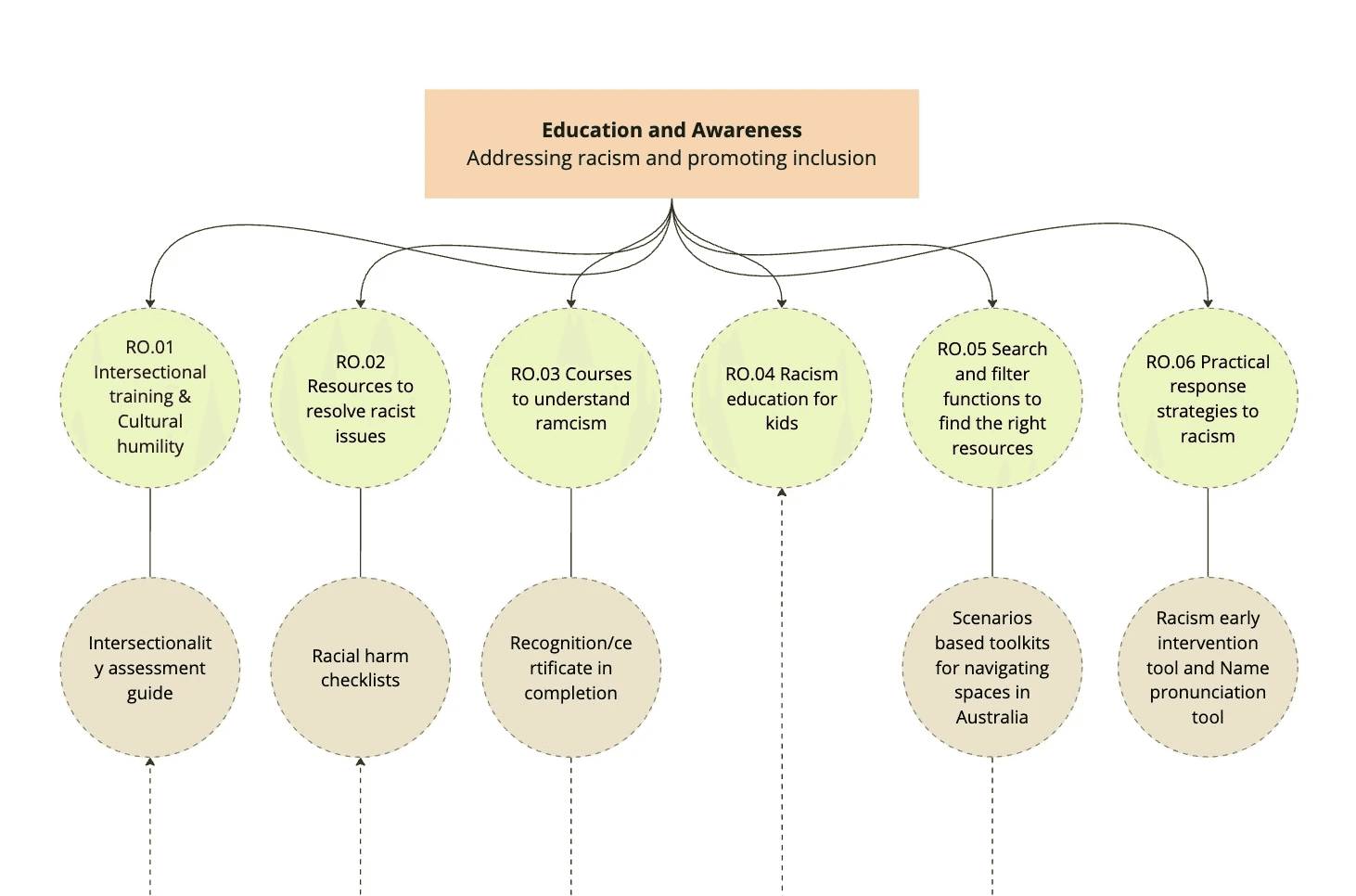
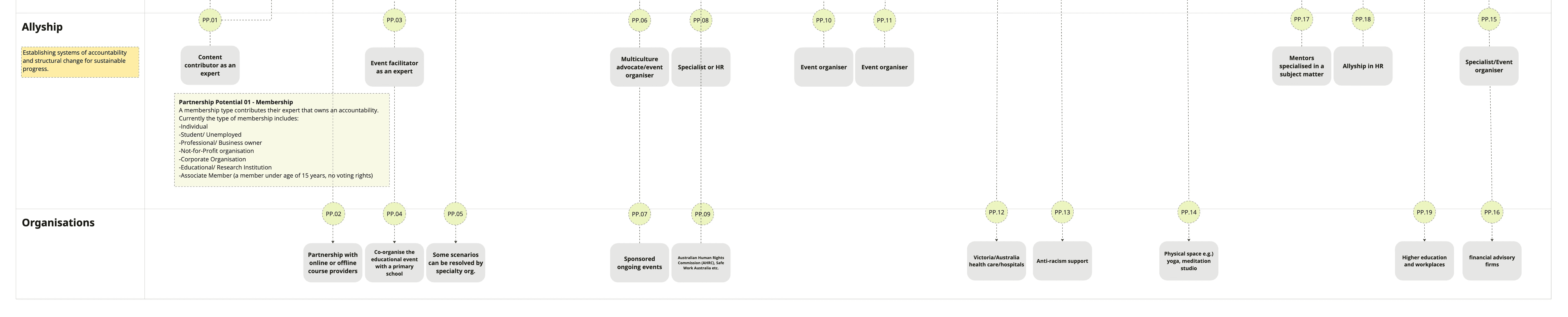
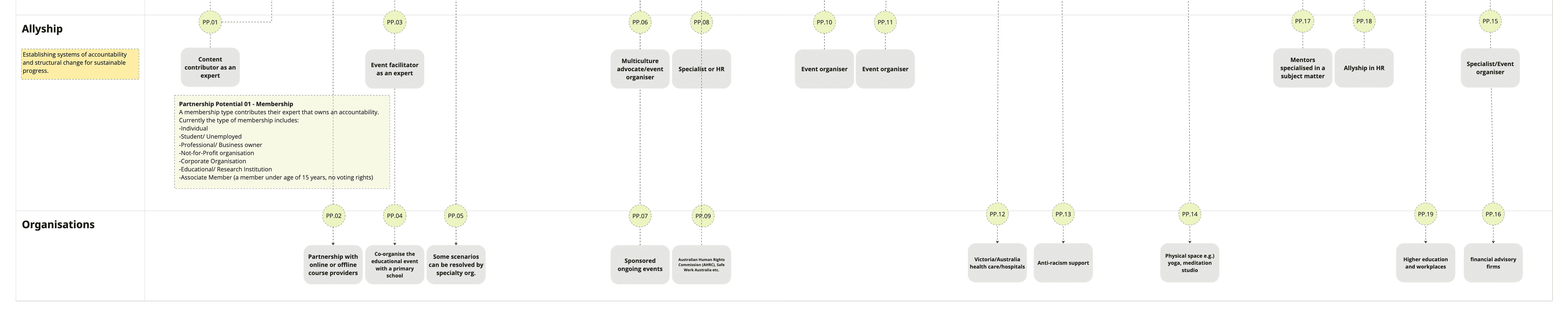
A detailed Recommendations of Opportunity Map that established the architectural blueprint for a holistic, blended (online and offline) platform.
Research report for communication with the government stakeholders.
I partnered closely with stakeholders and the community to lead advanced Human-Centred Design to inform product direction. This included: user interviews, desktop research, co-design workshop along with Discovery Wall. This process ensured evidence-based decisions guided the initial product strategy.
Desktop Research and stakeholder interviews
Interviews: Conducted semi-structured interviews with three WoCM members to understand their goals, needs, and potential obstacles.
Comparative Analysis & Keyword Research: Evaluated nine competitor organisations to identify their strengths, weaknesses, and potential opportunities for WoCM. A key insight was the lack of a centralised resource site that was easy to search and access.
Archetype Development: Insights from stakeholder interviews and desktop research were translated into two key user archetypes: The Harmoniser and The Strategic Empowerer. These served as anchors for empathising with user needs.
Defining the Challenge: Six ‘How Might We’ statements were formulated to guide ideation across core areas, such as creating a supportive community and establishing a support network.
Co-Design Workshop (@Women of Colour Gathering)
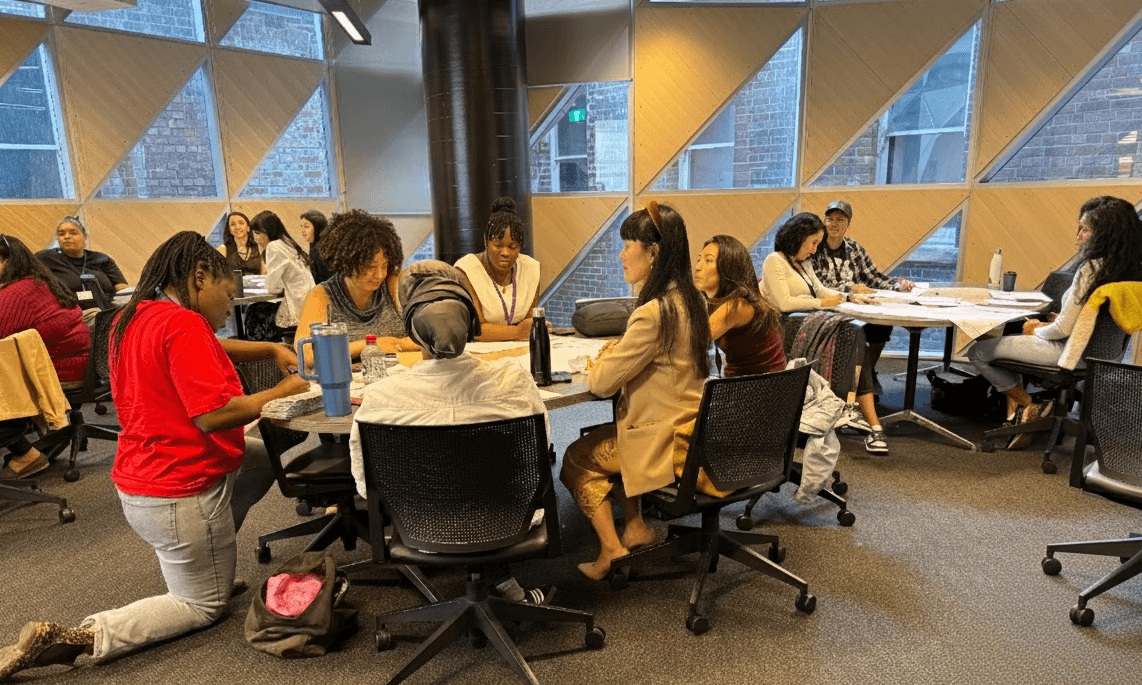
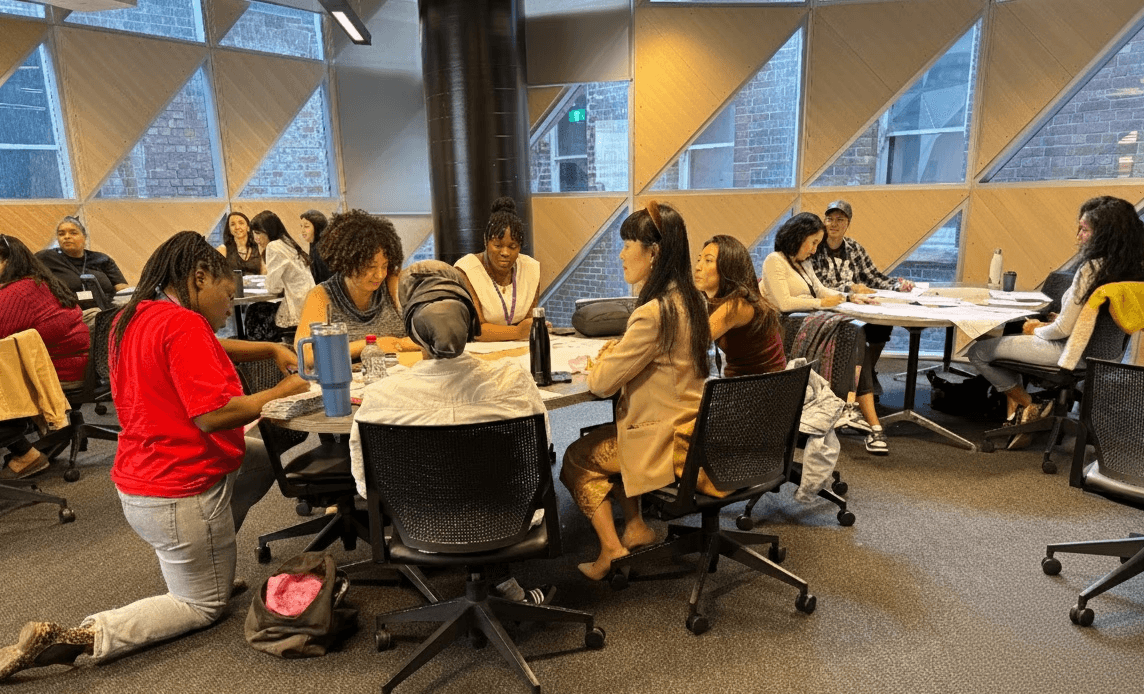
To drive design excellence and rapidly explore high-impact concepts, I conducted Design Thinking Ideation and created Discovery Wall during the co-design workshop. It explored potential ideas and digital features (prototypes were low-fidelity sketches).
Discovery Wall: Used collaborative methods to identify the audience's needs in both physical and virtual spaces.
Workshop Delivery: Designed and delivered a co-design workshop for 25 attendees. Participants generated creative ideas and presented them using The Pitch Template.
Workshop Findings (identified with Gen AI): The ideation session resulted in nine key thematic areas for the platform to address, including:
Education and Awareness
Leadership and Growth Opportunities
Community and Safe Space
Mental Health and Wellbeing
Youth Engagement and Intergenerational Change
Accountability and Systemic Change
Cultural Celebrations and Identity
Addressing Microaggressions and Discrimination
AI-utilised discovery research
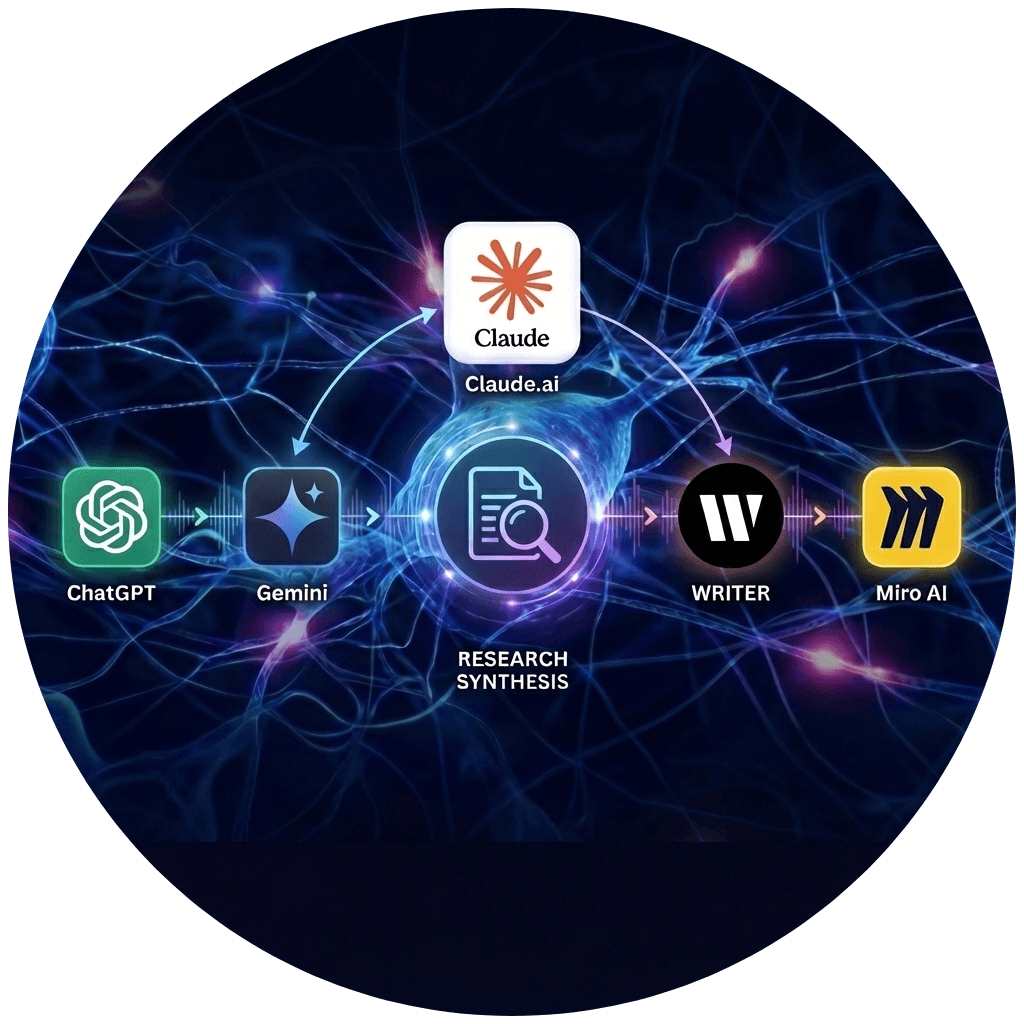
I used five AI tools to synthesise the research. I converted the photo images (handwritten content from the workshop) and audio files (from the interviews) to text and analysed it using a combination of the discovery wall and online survey. Using Gen AI for this research was not only efficient and time-saving but also gave me the opportunity to identify the different strengths and weaknesses of various Gen AI tools.
I didn't feel, at the time, Gen AI could be completely relied on, especially when it comes to theming concepts. Even Affinity Mapping can yield different results depending on the individual. You need to have solid design principles, problem-solving-based decision-making, and treat AI as a collaborative team member.
I reviewed all the AI-generated results using the same prompts and came up with these four service categories.
Core Service Pillars:
Education and Awareness : Focused on addressing racism and promoting inclusion.
Community and Safe Space : Focused on creating supportive environments where WoC can connect, share experiences, and find solidarity.
Wellbeing : Focused on providing health support for first nation people, LGBTIQA+ and WoC.
Leadership and Growth Opportunities : Focused on increasing representation and creating pathways for WoC in leadership roles.
The platform’s design direction was grounded in three main strategic objectives: Foster Allyship, Provide Education, and Empower Action & Courage.

Systems Design (Architectural Recommendations)
The opportunity map informed the strategic recommendations and partnership potentials, designed to empower the organisation all-year-round.
Although development and implementation were out of scope, I delivered the architectural blueprint required for the Systems Design of the platform, ensuring future development delivers cohesive experiences:
Architectural Mapping: The Recommendations of Opportunity Map established the necessary structure for integrating the four distinct Pillars of Support into a unified online platform.
Cohesion Principle: I recommended standardised architectural requirements for key functions, such as the Allyship Directory and Resource Signposting, to ensure seamlessly connected interactions across the broader platform and maintain consistent interaction quality.
Project Leadership & Organisational Influence
This project demonstrated my capacity for project leadership by defining the standards and processes necessary to drive design excellence in the next phase.
Collaboration & Culture: Leading the large-scale co-design workshop was a direct exercise in co-creating outcomes with community members, setting a precedent for collaboration with future development teams and the stakeholders.
Next Steps
My final report concluded with clear recommended practices for the next phase of development:
Prioritise Opportunities: Assess the opportunities based on customer value, business impact, feasibility, and risk.
Prototype Key Concepts: Build low-to-mid-fidelity prototypes (screens, clickable flows) for high-value areas like the AI Guide and the Allyship Directory.
Test and Validate: Run concept and usability tests with representative users and iterate based on feedback.